
























Supporter
Take a Trip Back in Time, Just Steps from the Station—Take a Peek Inside the Open Air Museum of Japanese Farmhouses
Ryokuchi-koen Station is just a quick 15 minute train ride North of the skyscrapers and busy streets of downtown Osaka. And once you arrive in the sprawling Hattori Ryokuchi Park, you’ll be enveloped in green. The park is the largest in Osaka Prefecture, with an impressive size equivalent to 33 Koshien baseball stadiums.
And there is a very unique open-air museum in one corner of the park that features real Japanese farmhouses. The sight of these real farmhouses can feel like you’ve entered a time-warp.
[Contents]
Thatched Roof Houses Will Transport you to Japan’s Nostalgic Countryside
When you leave the station you’ll see the park entrance right in front of you. From there it’s a short walk to the Open-Air Museum of Japanese Farmhouses. Once you reach the entrance, you might think it very plain, but actually this is a Registered Tangible Cultural Asset, the Kawachi Fuse Nagaya Gate.
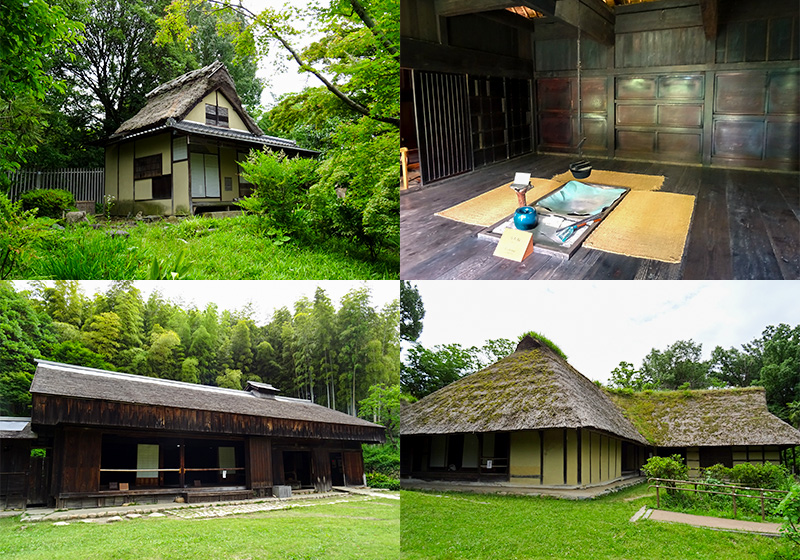
As soon as you step inside the museum grounds you’ll notice a distinctly different atmosphere from the greenery of the park. The Open-Air Museum takes great care to capture the atmosphere of these traditional homes, rather than simply displaying the structures inside a building. The winding paths and bamboo groves will carry you away to a small traditional village, or what feels like one.

Cultural Landmarks Designed for the Local Climate
Many of the traditional houses located at the museum are designated Registered Tangible Cultural Properties or Designated Tangible Cultural Properties. This means they are highly regarded properties and you can get an up-close look at these historic homes. And in some cases, you can even step inside to explore them.
One of the highlights is a relocated Gassho-style farmhouse from the Shirakawa-go village in Gifu Prefecture, which is a UNESCO World Heritage site. When you look at the house, you’ll notice the steeply pitched roof is especially striking. This particular style of roof was designed to withstand heavy snowfall and strong winds—a brilliant example of architectural ingenuity born from living in harmony with nature.

Another highlight is the traditional house from Shiiba in Hyuga, Miyazaki Prefecture. Built cleverly along a steep mountainside, it features a linear layout with all the rooms arranged in a row. And there are no windows on the slope-facing side, which is evidence of how people adapted their homes to the environment.
These architectural details reflect the wisdom and ingenuity of our ancestors, and how they tailored each home to their unique lifestyles and the local climate.


Get a Glimpse of Japan’s Old-time Tools and Culture
Inside the houses, you’ll find everyday items from the past, like plows and hoes used in farming, traditional stoves, and other household tools. These exhibits give you a vivid sense of how people once lived.
And when you’re inside, it’s fun to look around and wonder, “What was this used for?” I let my imagination fill in the gaps to imagine what life was like way back then.


Hands-on Experiences Bring you Closer to Japanese Traditions
The Japan Open-Air Folk House Museum regularly hosts a variety of events.
On Tuesdays, you can try on traditional kimono; on Saturdays, there are spinning top games for children and adults alike. Plus, the second floor of the Shirakawa farmhouse, which is usually closed to the public, is open on the 1st and 3rd Sundays of the month. Depending on the day you visit, there’s always something different to enjoy!
Some of the houses can even be rented out. Whether it’s for a tea ceremony, an exhibition, or a photo shoot, it’s a great way to enjoy the unique atmosphere of the houses.
And while there is nothing cutting-edge or virtual at this particular museum, there is a special kind of discovery and wonder that you can experience here that digital experiences can’t offer. Plus part of the fun is finding beautiful, photogenic spots here too!


And there’s lots more to do at Hattori Ryokuchi Park besides the Japan Open-Air Folk House Museum. The park features botanical gardens, a swimming pool open in summer, barbecue zones, a circular flower garden, and even a horseback riding club.
In autumn, there will be a new hot spring facility opening too! Be sure to make the most of your visit and enjoy everything the park has to offer!


●Hattori Ryokuchi Park, Japan Open-Air Folk House Museum
1-2 Hattori Ryokuchi, Toyonaka City, Osaka Prefecture
Hours: 9:30–5:00 pm (admission closes at 4:30 pm)
Closed: Mondays (Open Monday holidays & closed the following day), New Year Holidays
Admission: Adults-¥800, High school students-¥300, Elementary & junior high school students-¥200
Supporter
The contents of this page were current at the time it was posted, but may differ from the present.
Text visible in this map is based on information from Map Tiler and may differ from actual geographical names.

Featured Supporters





Featured Articles